A balcony audit in an apartment building: what does it show and when is it needed?
A photograph of one crack is useful, but it does not describe the safety of every balcony. An audit connects visible defects with structure, records and risk.
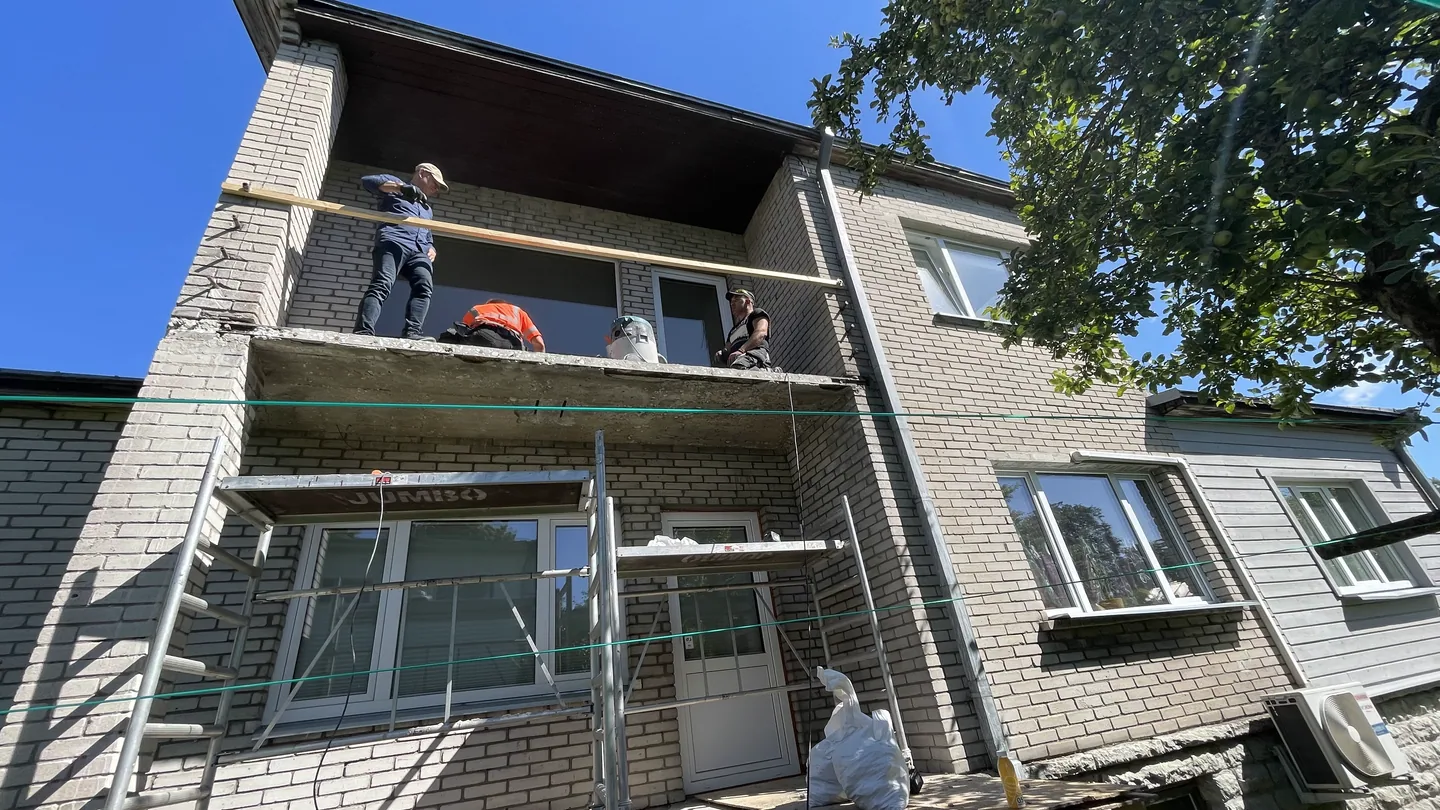
A resident sends the board a photograph of a crack. Another apartment reports a loose railing, while the soffit of a third balcony becomes wet after rain. Is a contractor’s quotation enough, or should the association commission an audit first?
The answer depends on the damage and risk. It helps to distinguish the association’s own visual record, an investigation by a competent specialist, and a building audit as defined by Estonian construction law.
A visual check is not yet an audit
The board can record crack locations, rust marks, fallen pieces, ponding and residents’ reports. This is useful baseline information, but it is not a structural conclusion.
A specialist investigation may include close inspection, measurements, sounding, opening finishes and other methods. The commission should define its scope. An audit is a more formal process whose author and output must meet legal requirements. Not every consultation should be labelled an audit.
Why one defect can concern the whole building
Balconies on one building were usually built at the same time and use similar details. Exposure varies with orientation and storey, but material age and fixing principles repeat. TTJA advises assessing other balconies when a defect is found on one.
That does not automatically mean identical repair everywhere. It means the decision should rely on the full row rather than one unusually good or poor balcony.
Information to gather before commissioning work
- original drawings and previous reports;
- descriptions and invoices from earlier repairs;
- resident alterations, including glazing and railings;
- dated photographs of every balcony;
- reports of falling material, loose railings and leaks;
- the decision the board needs the report to support.
The final point matters. “Look at the balconies” produces a vague outcome. A better brief asks which risks require immediate restriction, what further investigation is needed, and what defined scope can support comparable tenders.
What a usable report should contain
A good report distinguishes observations, measured facts and professional conclusions. It states which balconies and details were inspected, the methods and limitations, and gives priorities: what needs immediate action, further investigation, or planned work.
If a connection was concealed and inaccessible, the report should say so. A visual inspection must not imply that an unseen detail was verified.
Checklist for the KÜ board
- define the decision for which the assessment is required;
- verify the competence and independence of the provider;
- agree the number of balconies and details to be inspected;
- ask whether opening-up or measurements may be necessary;
- require urgent safety measures as a separate list;
- connect the report to the future design and procurement documents;
- do not compare prices based on different scopes;
- keep the images and report for the next condition review.
An audit is not a repair design or a quotation. Its value is to provide a reliable starting point for safety measures, design scope and the order of work.