Snow, thaw water and ice: what should an apartment association check in winter?
Snow on a balcony becomes water during a thaw and freezes again overnight. The risk depends not only on quantity but on where that water travels and stops.
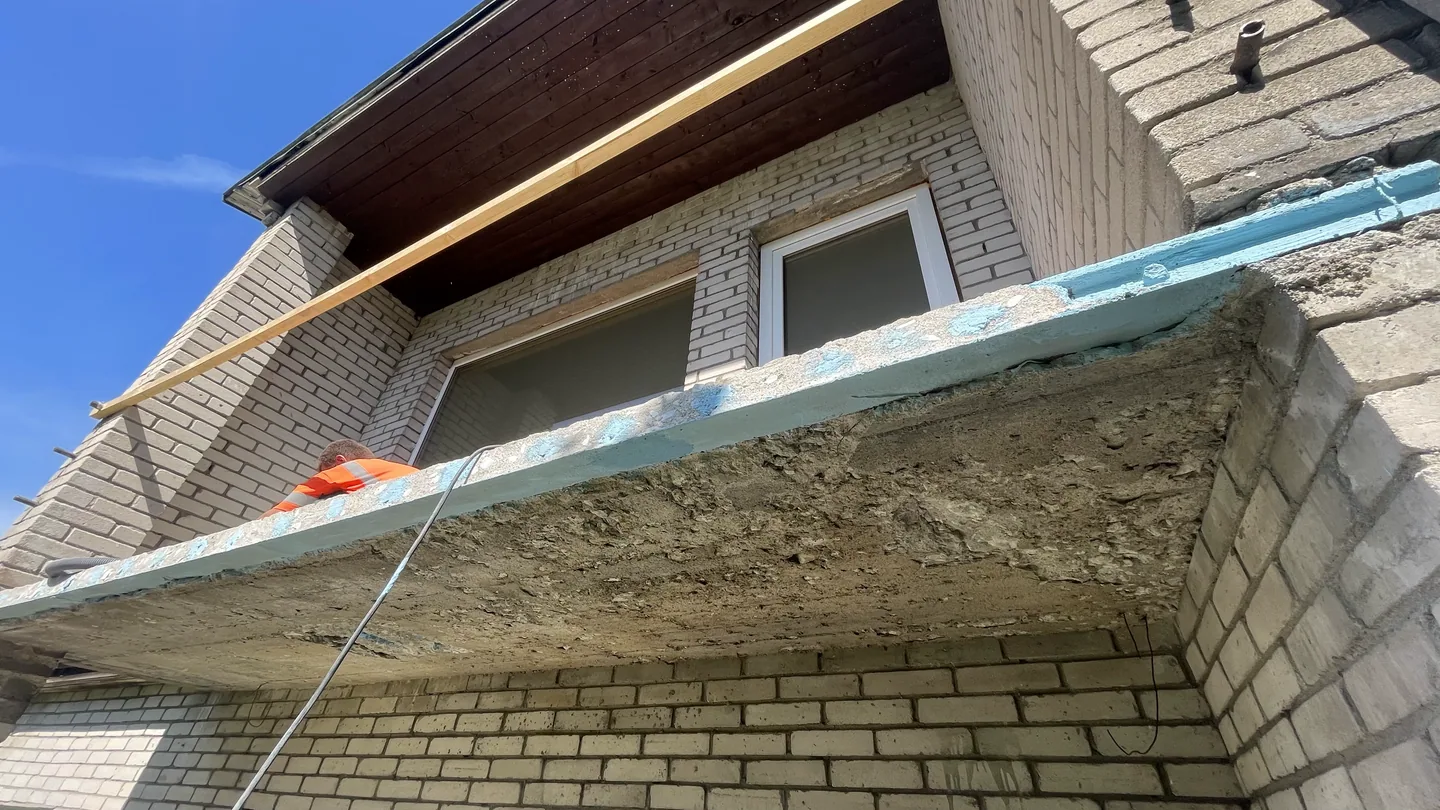
Fresh snow on a balcony appears light. During a thaw it absorbs water, compacts and adds more load. If an outlet is blocked by leaves or ice, meltwater runs towards the threshold, wall junction and cracks. Overnight frost turns the trapped water back into ice.
An apartment association’s winter check need not be complicated. It matters that it happens before wet snow and ice create a hazardous situation.
Check the water path, not only the snow depth
Identify where runoff should go and whether a fall is visible. Do not assume an outlet works while its opening is hidden below snow. After the first thaw, inspect the slab soffit, front edge and wall junction. A new damp mark or icicle is a reason to record the route.
Entrances and areas where people walk below balconies need particular attention. Physically close a danger zone if ice or loose material could fall.
Snow removal must not damage the finish
Do not pile snow in one corner or throw it into an occupied area below. Sharp metal tools can puncture coatings and waterproofing, creating a new route for water. TTJA recommends planning removal in advance, using suitable tools and protecting both the worker and people below.
If concrete is already flaking, a railing moves, or the balcony’s condition is unknown, a resident should not simply proceed alone. The board needs a safe work method and, where required, competent help.
Freeze-thaw exposure makes a wet crack more significant
A dry fine crack and a water-filled crack behave differently in winter. Repeated wetting, freezing and thawing can develop deterioration. Vulnerable details include the slab edge, failed coating, railing fixings and the wall-floor corner.
Winter photographs are valuable because the real water path may no longer be visible in summer. Date photographs of ponding, ice, run marks and damp soffits.
Winter checklist for the KÜ board
- appoint responsibility for checks before snow arrives;
- clear outlets before persistent frost;
- inspect after heavy snow and thaw periods;
- prevent snow piling in one location or being thrown into public areas;
- use safe access and tools that protect the finish;
- close the area if falling ice is possible;
- record new cracks, damp patches and rust marks;
- commission an assessment when damage changes or safety is uncertain.
Winter maintenance does not repair an already deteriorated structure. It can reduce additional wetting and show the association where a more detailed spring inspection is needed.