Knowledge for apartment associations
A balcony lasts when the cause is understood.
We explain visible warning signs, water paths and repair planning so a KÜ board can ask precise questions before procurement or work begins.
RÕDUREMONT
All guidance
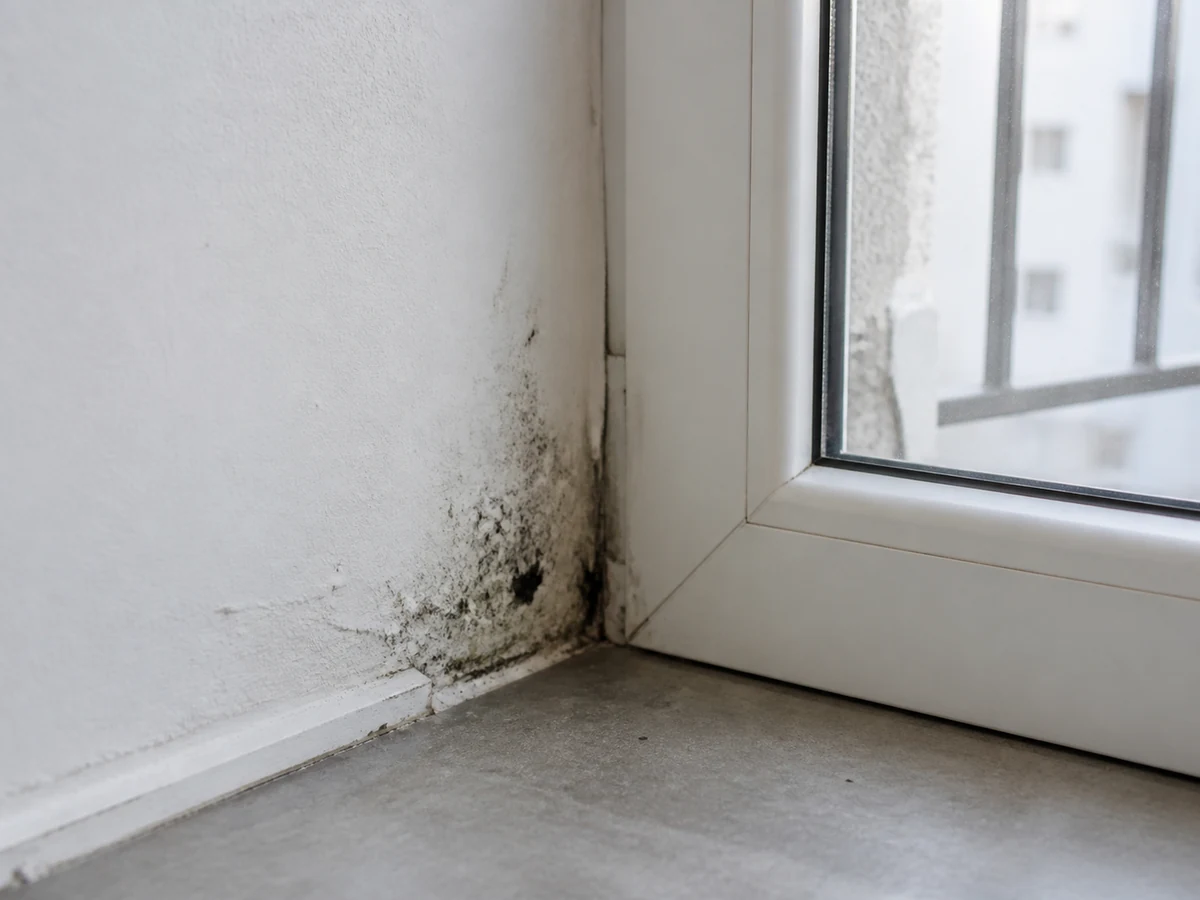
Why mold by a balcony door matters — and where the moisture comes from
Mold is more than a dark mark on a finish. It signals persistent moisture, can irritate the airways, and will return if the source is not corrected.
Read the article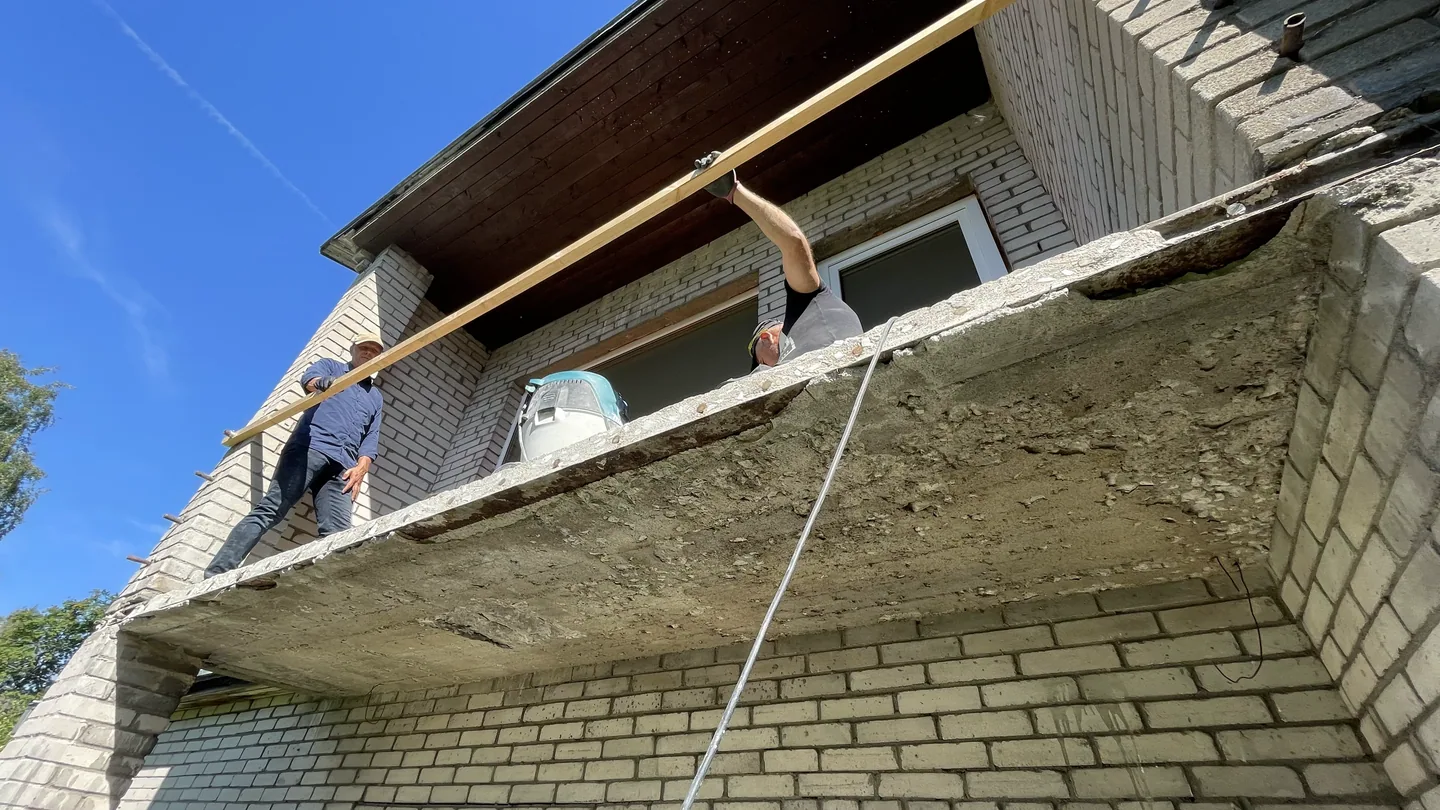
Crumbling balcony concrete: 7 signs an apartment association should not ignore
A concrete fragment below a balcony or a rust-brown line on its edge does not explain the cause, but it is enough reason to document and assess the risk.
Read the article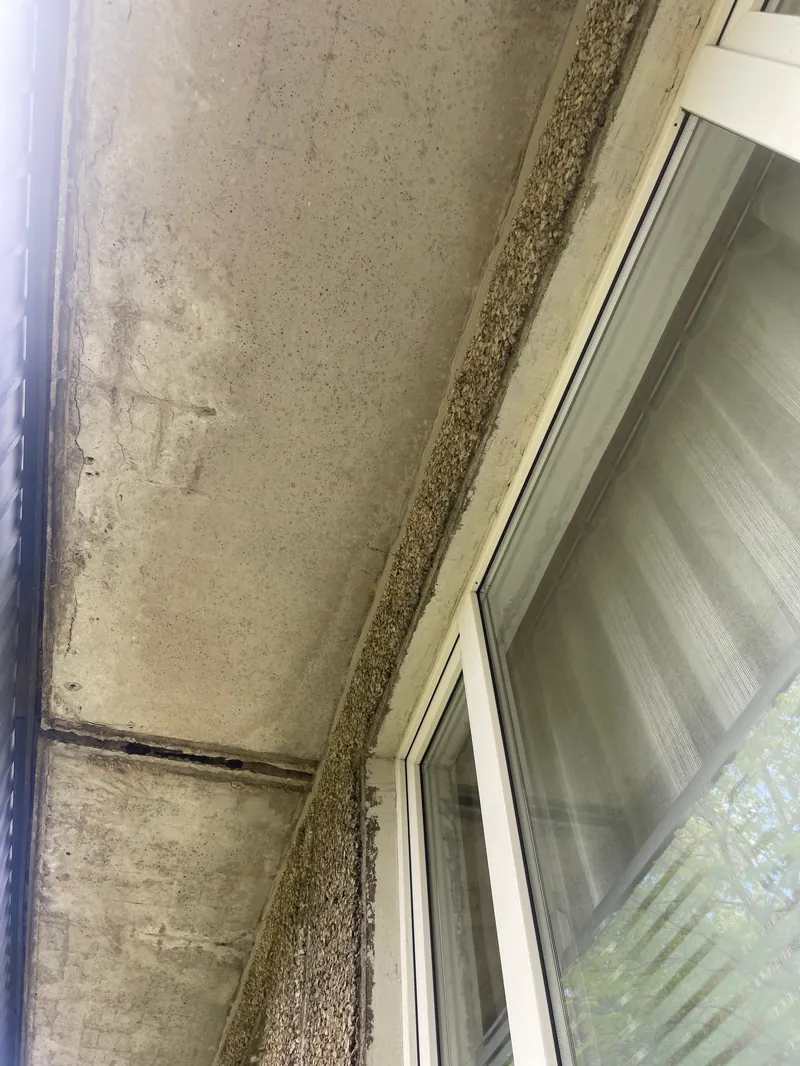
How water damages a balcony and contributes to mold
A leak rarely remains one damp patch. Water moves through layers, accelerates corrosion and freeze-thaw damage, and keeps cold internal surfaces damp.
Read the article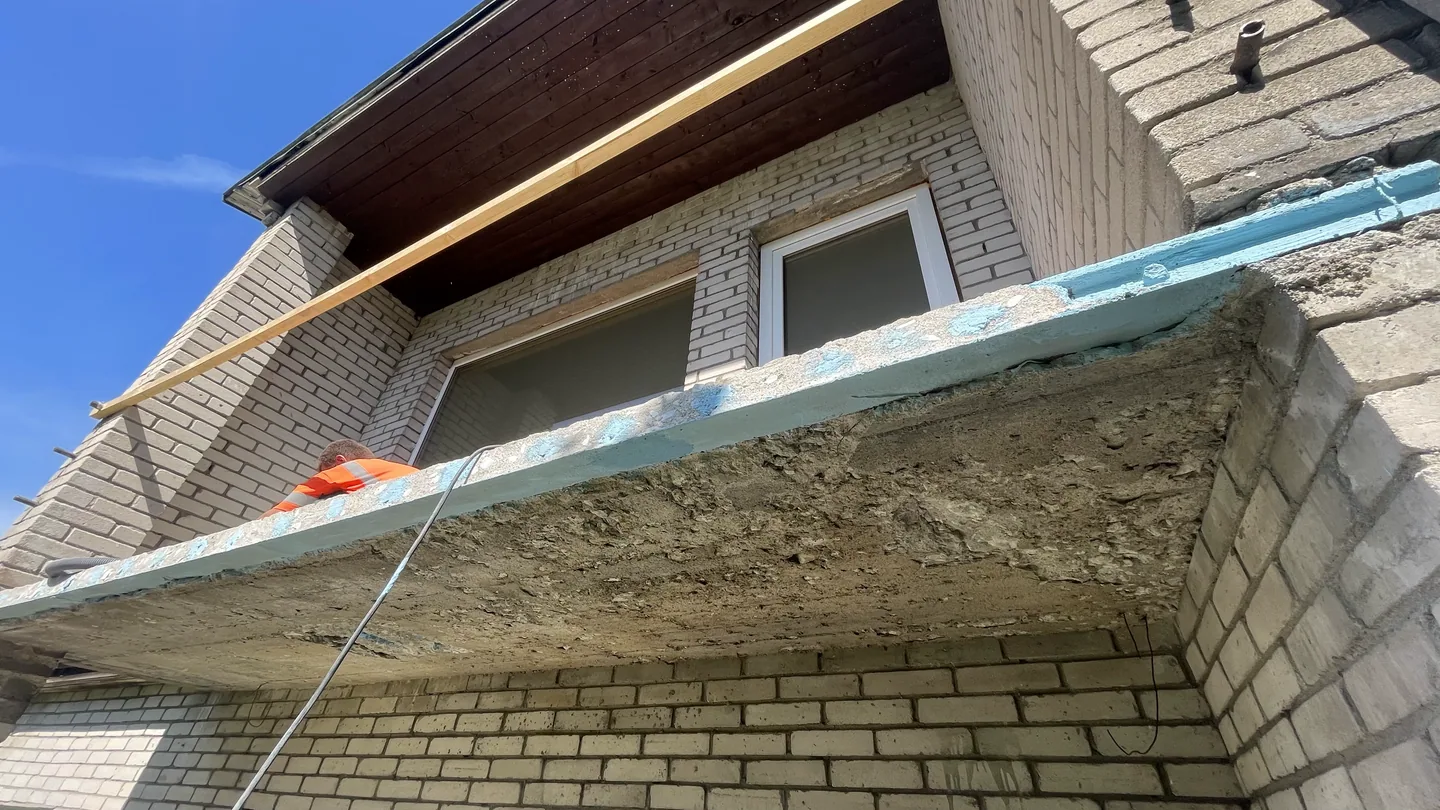
Snow, thaw water and ice: what should an apartment association check in winter?
Snow on a balcony becomes water during a thaw and freezes again overnight. The risk depends not only on quantity but on where that water travels and stops.
Read the article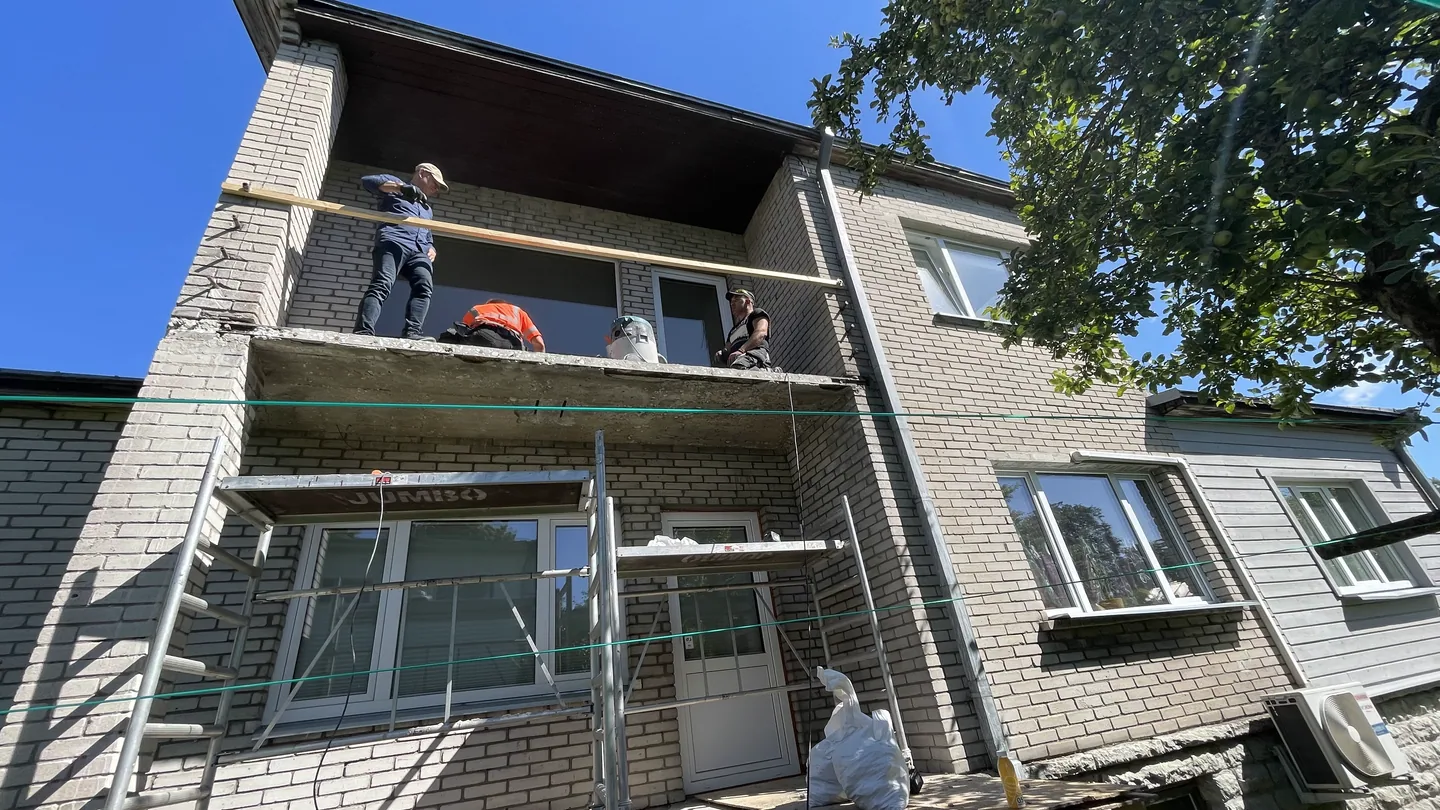
A balcony audit in an apartment building: what does it show and when is it needed?
A photograph of one crack is useful, but it does not describe the safety of every balcony. An audit connects visible defects with structure, records and risk.
Read the article
Your building
A photograph shows a sign. A site assessment helps find the cause.
Send the address and photographs. We will help define the assessment or scope your building actually needs.
Request a site assessment